A hiring team may read an application for less than a minute at first, and many employers use software to filter resumes before a person sees them. An application that is easy to review is tailored to the role, written in a scannable layout, free of errors and followed up once, politely. Clarity matters more than length.
How do you tailor an application to the role?
Read the job description twice. Note the skills, tools and results it asks for. Then move your most relevant experience to the top and use the same words the posting uses, where they are true. Do not claim skills you do not have.
How do you make a resume easy to scan?
Use a simple layout that software and people can read.
- One column, standard headings and a plain font.
- Your most relevant roles first, each with two to four short bullets.
- Results over duties: say what you achieved, not only what you were responsible for.
- Keywords from the posting in your skills and experience, used naturally.
- One or two pages.
What should you check before you submit?
Check names, dates, links and contact details. Make sure the file name is clear and the file opens. Read the application once on a phone screen. Small errors are an easy reason for a reviewer to move on.
How should you follow up?
If the posting gives a date, wait until it passes. Send one short message that thanks the reader, restates your interest and offers to share anything useful. If you hear nothing, one more note a week or so later is enough.
Can anyone apply for you?
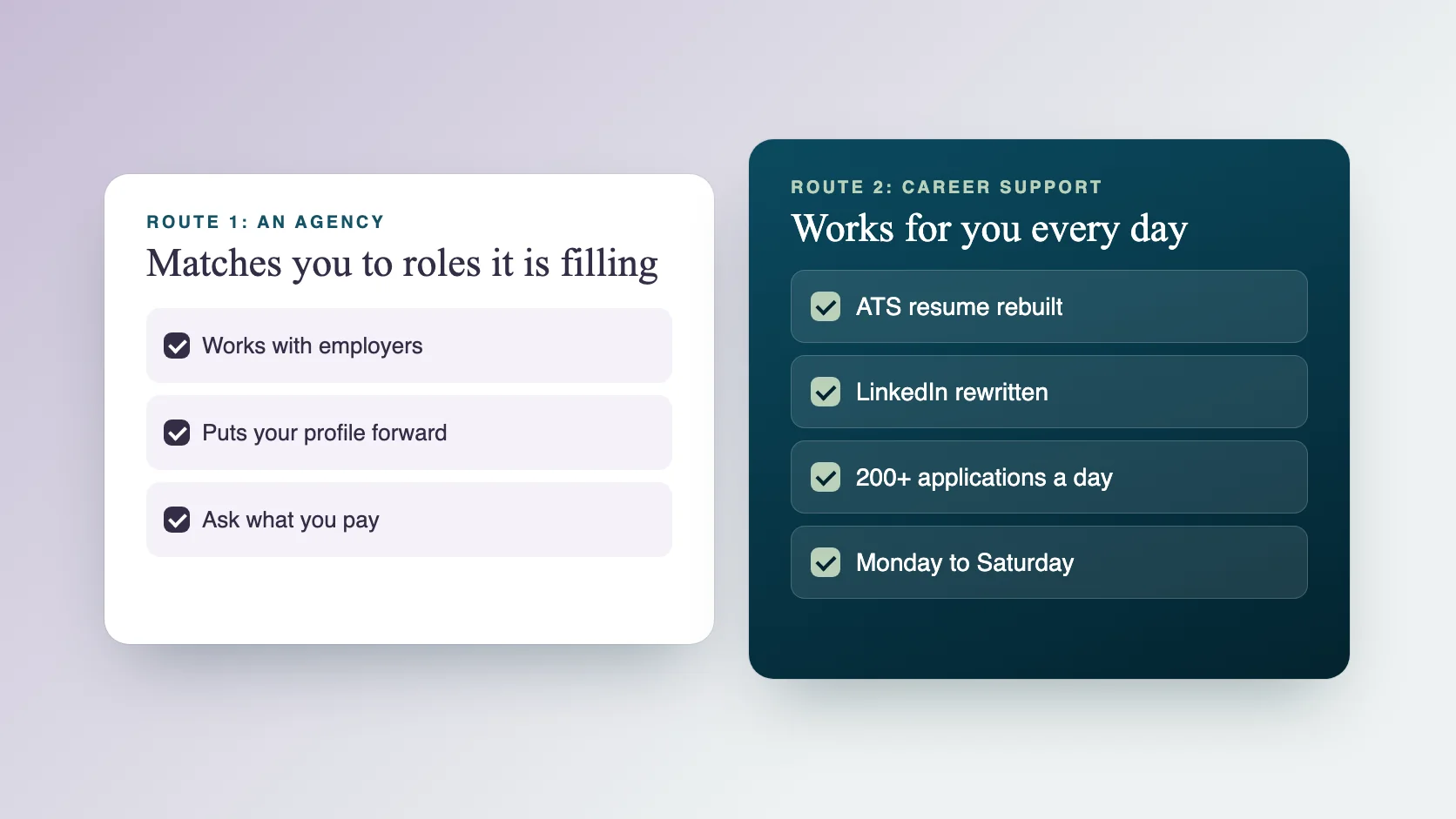
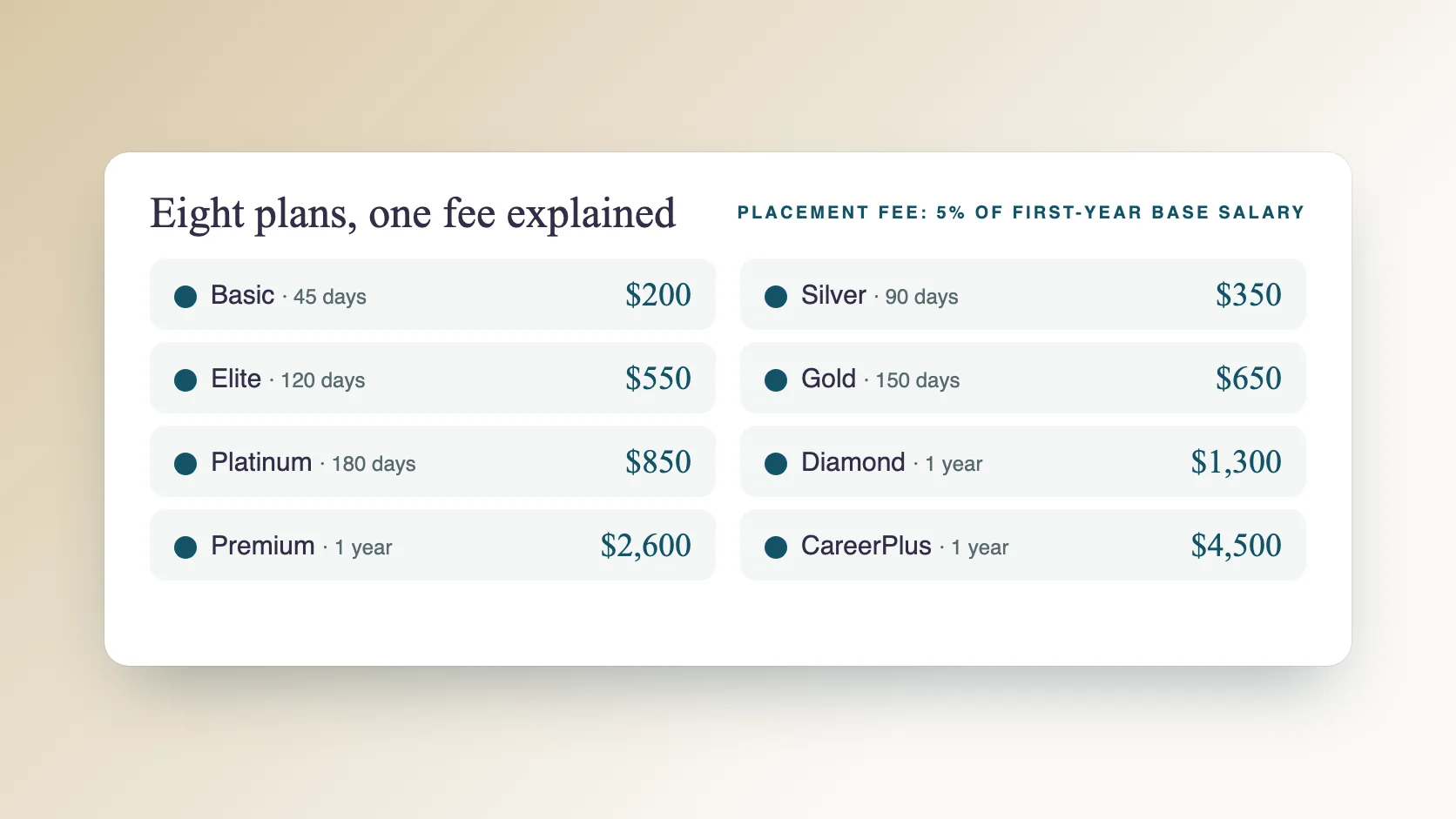
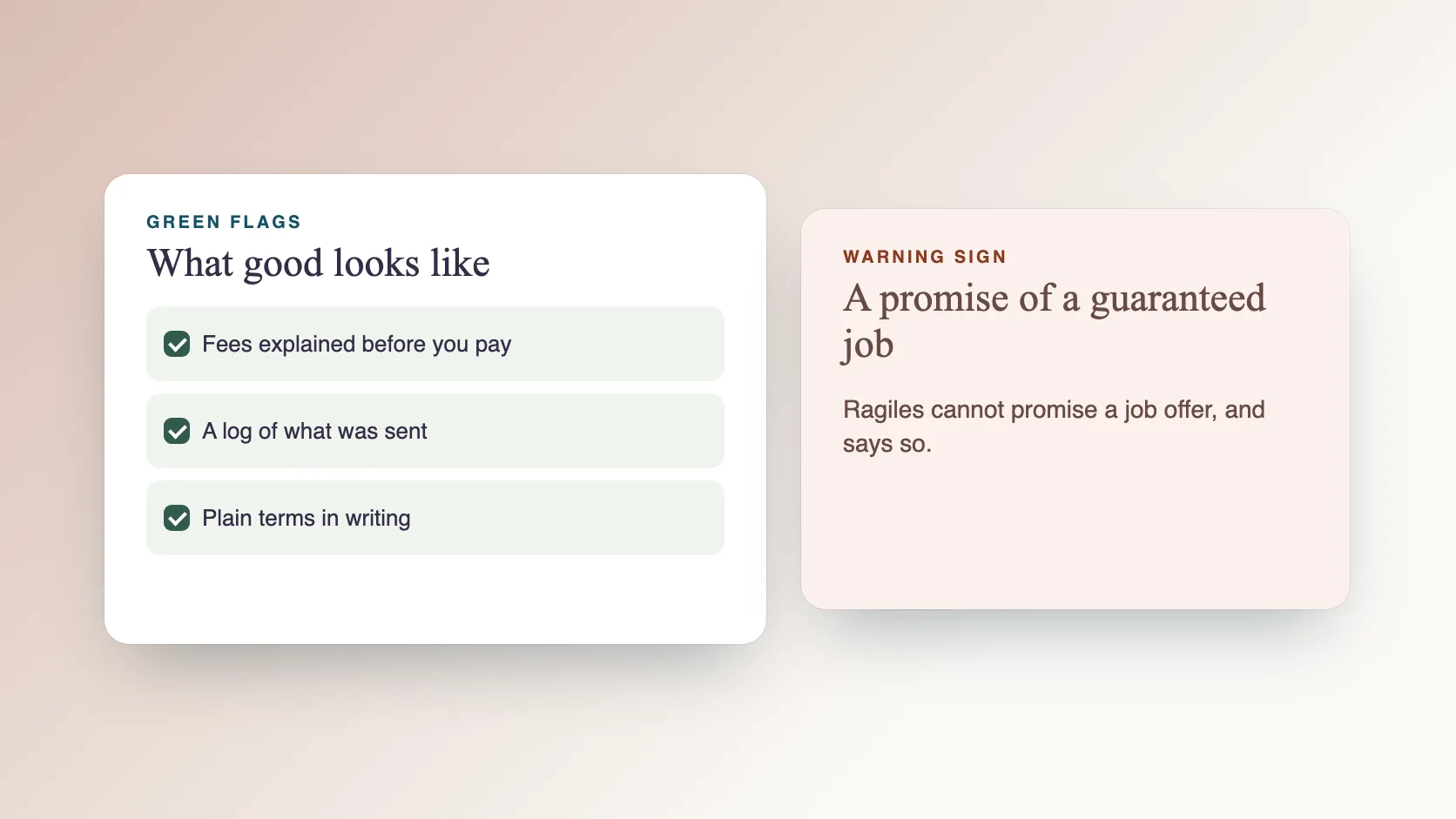
Ragiles career support rebuilds your ATS resume and LinkedIn profile, then sends at least 200 job applications a day on different job platforms, Monday to Saturday. People send the applications, and AI speeds up the work. We cannot promise a job offer. See the plans and the placement fee on the career support page.
Example: tailoring one resume bullet
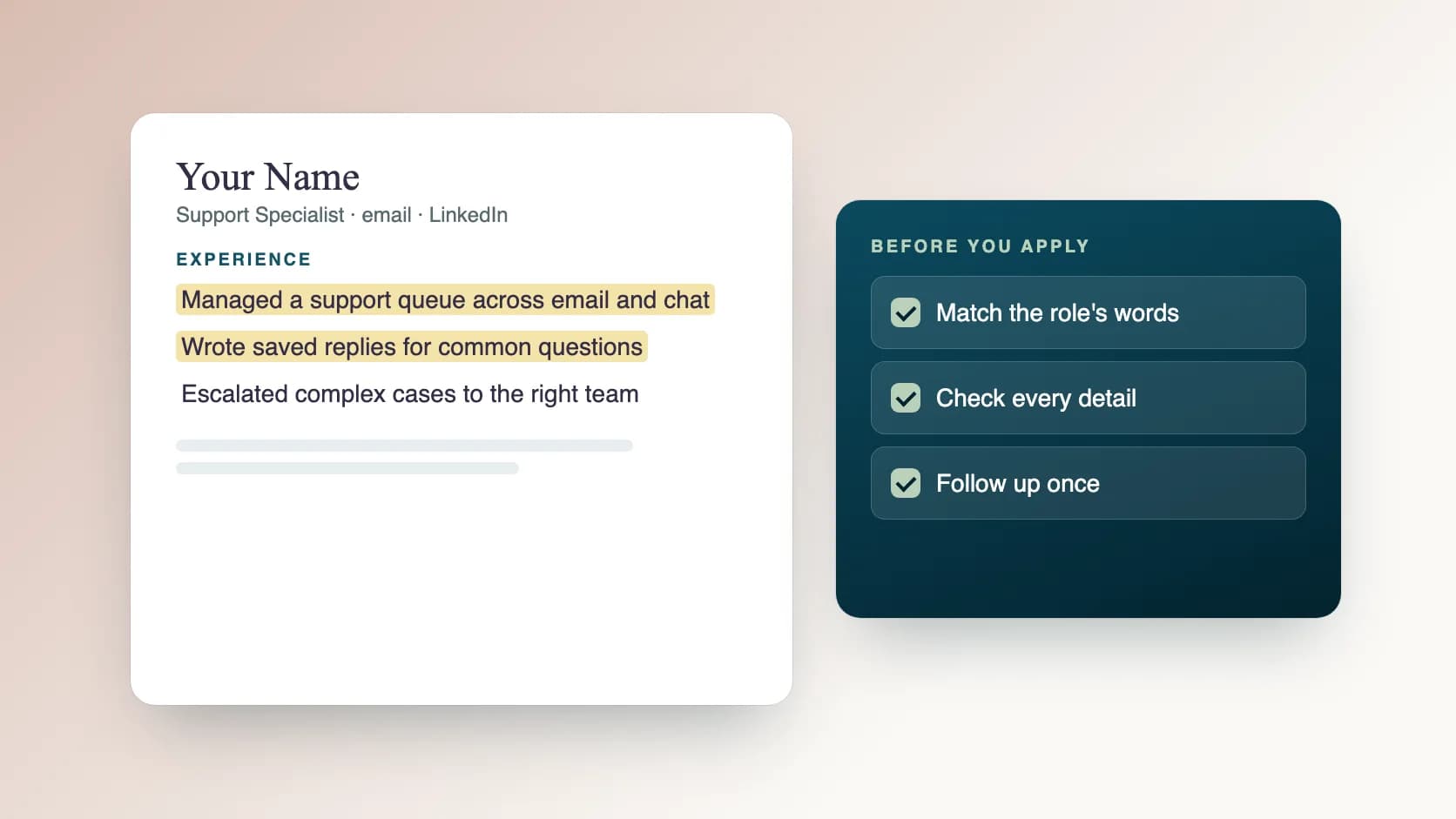
A general bullet becomes stronger when it uses the role's language and a result.
- Before: Responsible for managing the support queue.
- After: Managed a support queue across email and chat, answering routine questions with saved replies and escalating complex cases to the right team.
- What changed: it names the channels and tools, says what you did and shows the scope.
- Only use words that are true for you.
How do you track your applications?
A simple table is enough.
- Company and role, with the link to the posting.
- The date you applied and the version of your resume you used.
- The contact name, if you have one.
- The next step and its date.
- The result, so you can see what works.
What mistakes should you avoid?
Common problems are easy to prevent.
- Sending the same resume to every role.
- Fancy layouts that software cannot read.
- Typos and wrong company names.
- Long paragraphs instead of short bullets.
- Following up too often.
Common questions
Should I write a cover letter? If the posting asks for one, yes. Keep it short and specific.
How many applications should I send? Quality and fit matter, but a steady volume helps. Track what you send.
How long should my resume be? One or two pages, with the most relevant experience first.
Do I need a different resume for every job? Keep one strong base resume and adjust the top section and keywords for each role.
Where can I read more? See our guides on how to write an ATS-friendly resume and job application tracker.
Where can I read more? See our guides on how to write an ATS-friendly resume and job application tracker.